I discovered the term “geographic touchstone,” a landscape we return to again and again, in a magazine 20 or more years ago and loved it immediately. The physical features of the place, beach or mountain, river or lake, become etched into who we are, like topographic lines on the maps of our hearts. Far more than familiar terrain, these places have the power to define us. Renowned abstract painter, Agnes Varda, said:
“If we opened people up, we’d find landscapes.”
In my early 20’s, fresh from a semester in anatomy, the scientist in me would have scoffed! If we open people up, I would have claimed with certainty, we find muscle and tendon, organ and bone. Thankfully, the early 60’s iteration of me is softer and can embrace the beautiful uncertainty of metaphor. Travel and senescence have deepened my sense of topophilia, the love of a place.
As preparatory work for the book I’m writing and illustrating, about our Lake property in northeastern Pennsylvania, I’m mining my past, drilling down into the landscapes that defined both my own childhood and that of our children. I grew up spending 1 week every summer at a place called the River Camp. Owned by my Uncle Dick and Aunt Virginia, the camp was nestled on a steep hillside in wilderness adjacent to the Allegheny National Forest in northwestern Pennsylvania. The cabin, set on the shore of the Allegheny River just below Kinzua Dam, offered the simplest amenities: running water but no shower, no television, and 1 small bunkroom upstairs where we all slept. Breakfast was served alfresco; pancakes and sausage links cooked on a Coleman stove on the front deck. Cards games were played late into the evenings. Hygiene, to the delight of us kids, was accomplished by lathering our river-wet bodies with soap then jumping from the big rock that jutted into the river over and over until we were “clean.” At the end of each enchanting day, we’d climb the steps to the bunkroom, slip into bed, and sing each other to sleep. Nothing could have been better. My aunt and uncle owned a motorboat, and we’d spend days exploring the massive, 3-armed reservoir above the dam. There I was encouraged to learn to waterski. There I was trusted to steer the boat under the massive columns of an overhead bridge. There I spent idyllic days joyfully playing in the landscape that defined my childhood.
On Mother’s Day I drove 2 ½ hour from State College back to Kinzua Dam (photos below), journeying deep into core memories from my youth. Having not visited since I was a kid, I was thrilled to find the reservoir (still as immense as I remember), the old marina, a favorite picnic spot near the bridge, the dam, and, most importantly, the River Camp itself, my holy grail of girlhood happiness. It’s changed, of course, the slope doesn’t look as steep and the rock appears smaller and overgrown by 50 years of accumulating vegetation, but the magic remains. I could feel it in my bones (all 206 of them long forgotten from anatomy class!) Filled with nostalgia, I sat reverently in that place, bathing in memories of my first geographic touchstone.
Yet even as I explored that topography that was so formative, I realized its extraordinary charm was not entirely within the landscape itself. It is indeed beautiful scenery, but I believe the magic came from the people who animated that place with laughter and love, especially my Uncle Dick. He was a larger-than-life character! He dressed colorfully, he played like a kid, and he made me feel special in a way very few people ever have. He was the chief merry maker of my wondrous weeks at the River Camp.
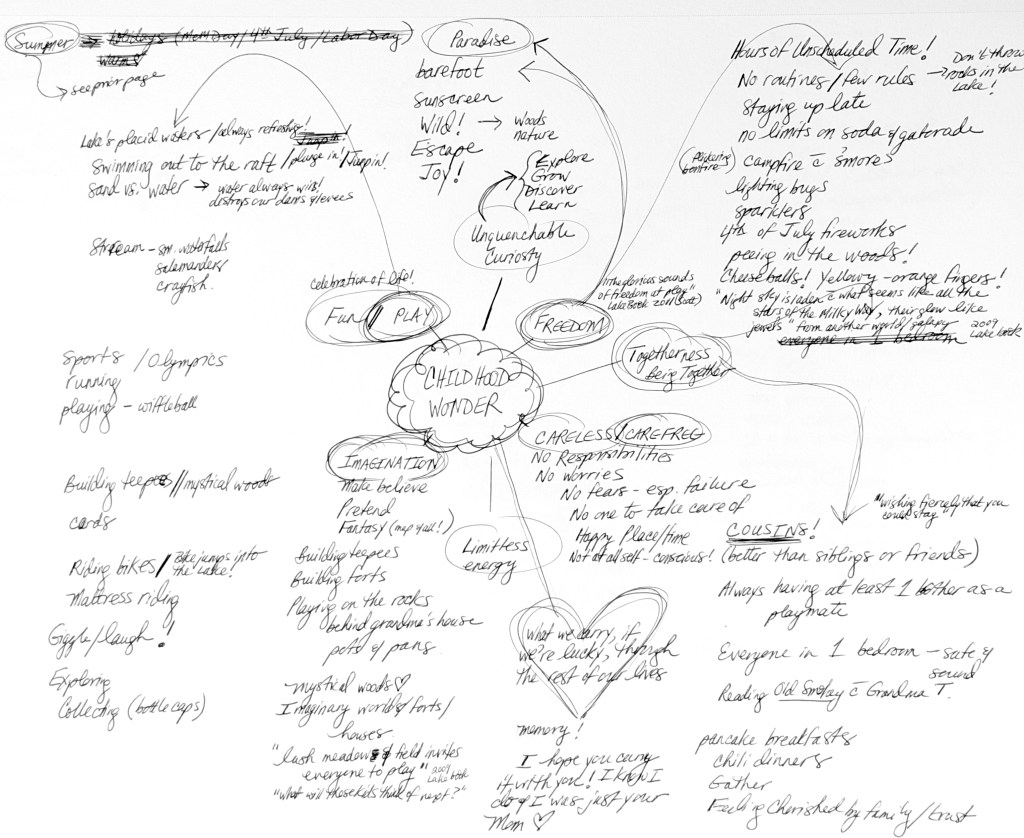
Fast forward to today, and the time I’m spending reflecting on the geographic touchstone of our children’s lives, the Lake. With their help, I’ve been mind-mapping (image above) memories of their childhood, where they spent every summer holiday weekend running wild and free through woods and fields, their imaginations soaring like the eagles above. However, my recent visit to the River Camp clarified, it’s more than the physical features of that rural wonderland: the screen house, the dam, the wiffleball field, that are indelibly inscribed on the maps of their childhood. It’s the people, uncles and aunts, cousins and friends, who form the bedrock of that place, animating those Windswept Acres with the same laughter and love I experienced as a child. They are the ones who fan the campfire flame of adventure and wonder that draw us back, time and again.
Art and I now cook the pancakes and paddle the kayaks; we play cards with our kids, nephews, and nieces late into the night; and we built a bunkroom in hopes that the next generation of children will drift off to sleep with the sound of voices singing. We are the merry makers, like my Uncle Dick. I get to pay the magic I felt as a child at the River Camp forward to our grandchildren and our nieces’ and nephews’ children. I get to make them feel special. I get to honor the River of my childhood by allowing it to flow into the Lake of generations to come.
These words from my favorite poet, Mary Oliver, allude to the river of youth, the passage of time, the course of our lives, the tributaries taken (and those not), and the meaning we make in the lives we touch along the way.
A River Far Away and Long Ago
by Mary Oliver
The river
of my childhood,
that tumbled
down a passage of rocks
and cut-work ferns,
came here and there
to the swirl
and slowdown
of a pool
and I saw myself–
oh, clearly–
as I knelt at one—
then I saw myself
as if carried away,
as the river moved on.
Where have I gone?
Since then
I have looked and looked
for myself,
not sure
who I am, or where,
or, more importantly, why.
It’s okay–
I have had a wonderful life.
Still, I ponder
where that other is–
where I landed,
what I thought, what I did,
what small or even maybe meaningful deeds
I might have accomplished
somewhere
among strangers,
coming to them
as only a river can–
touching every life it meets–
that endlessly kind, that enduring.
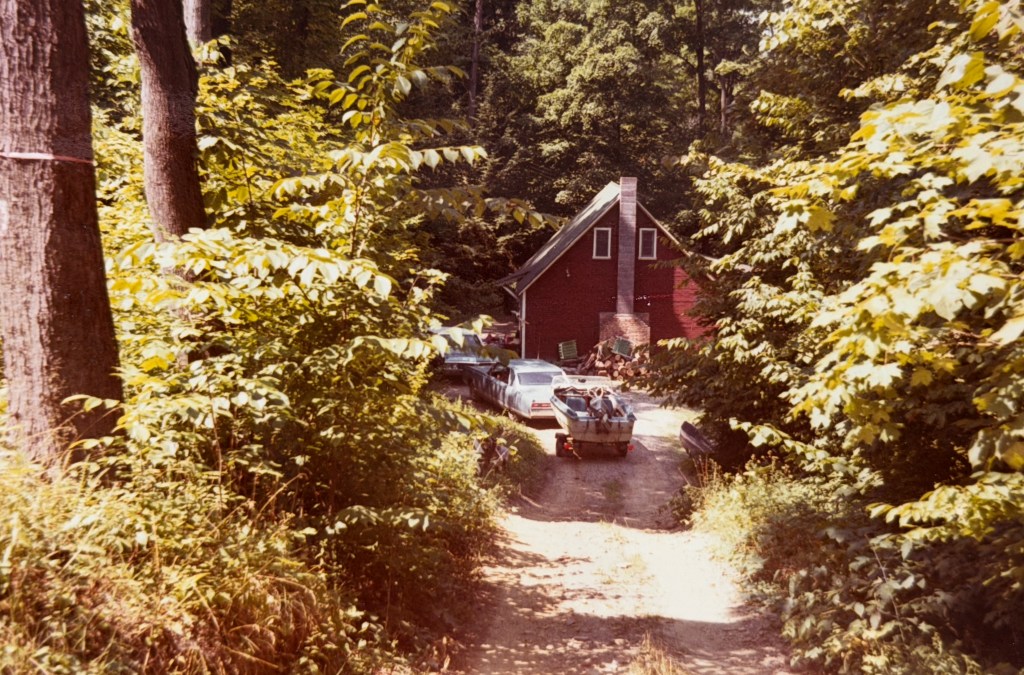
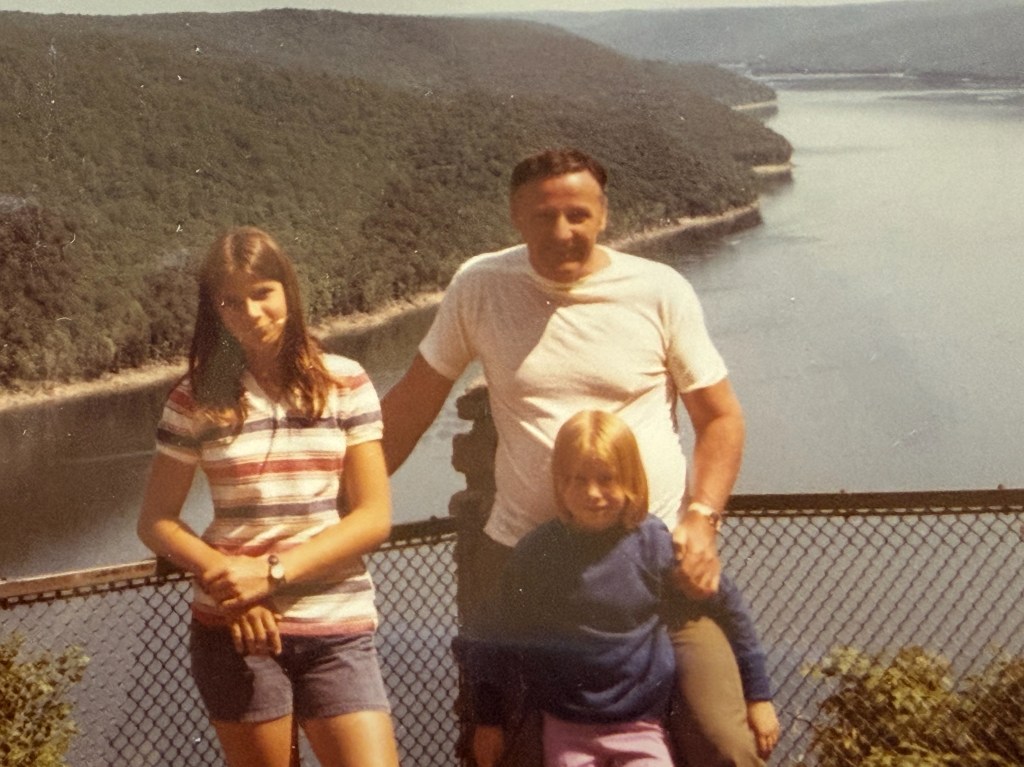
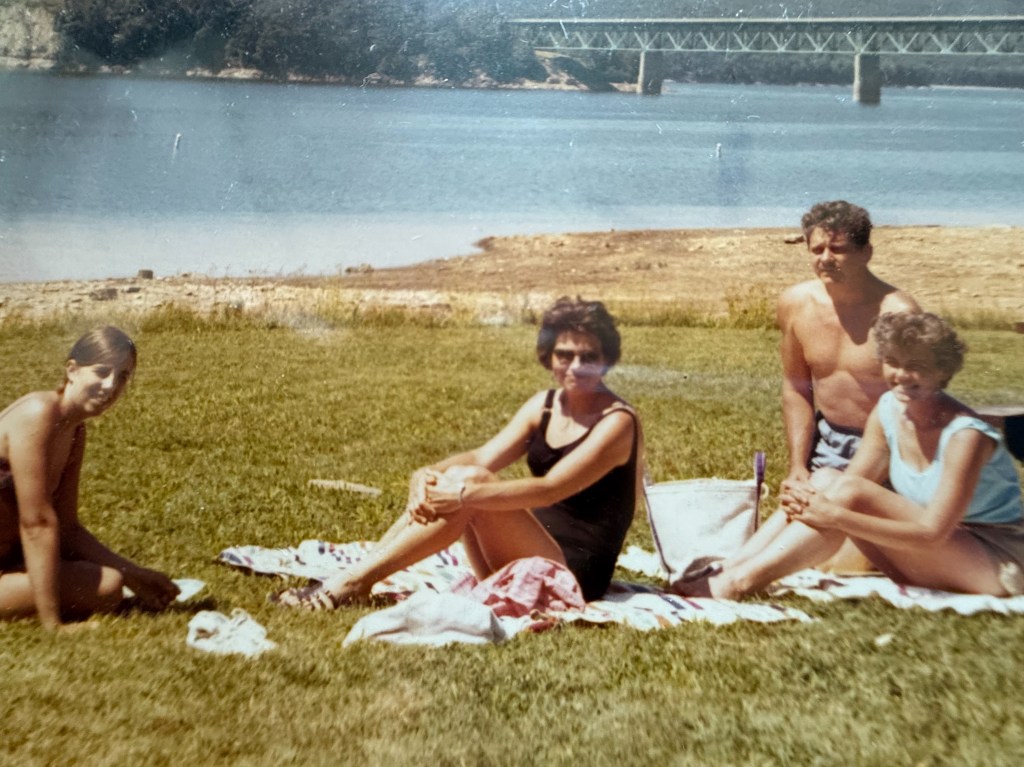
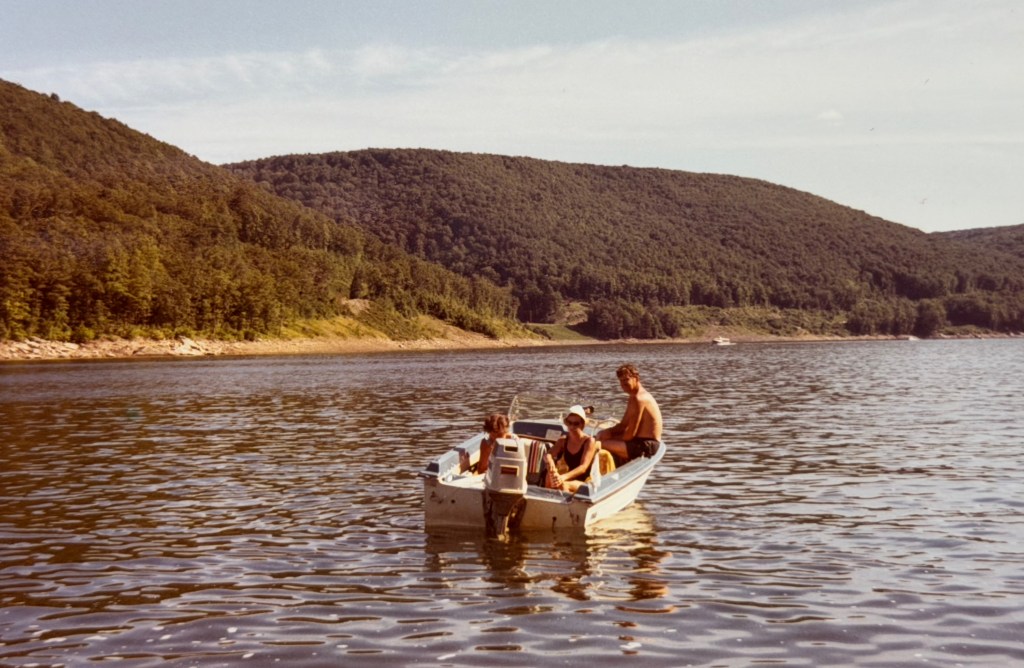
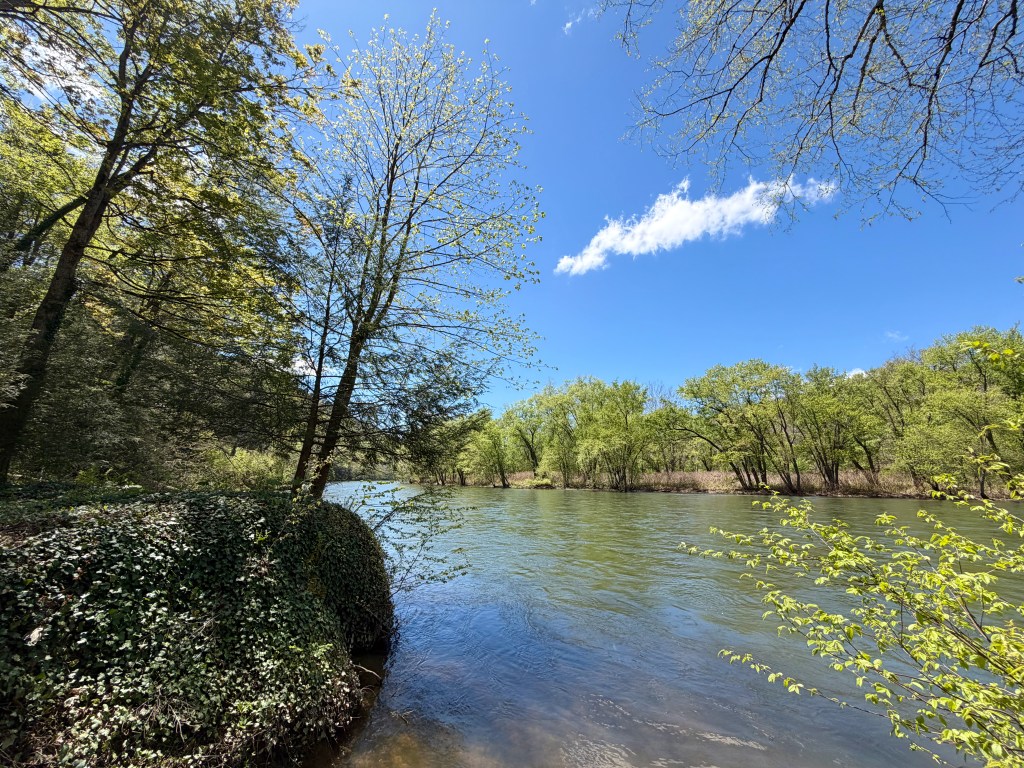
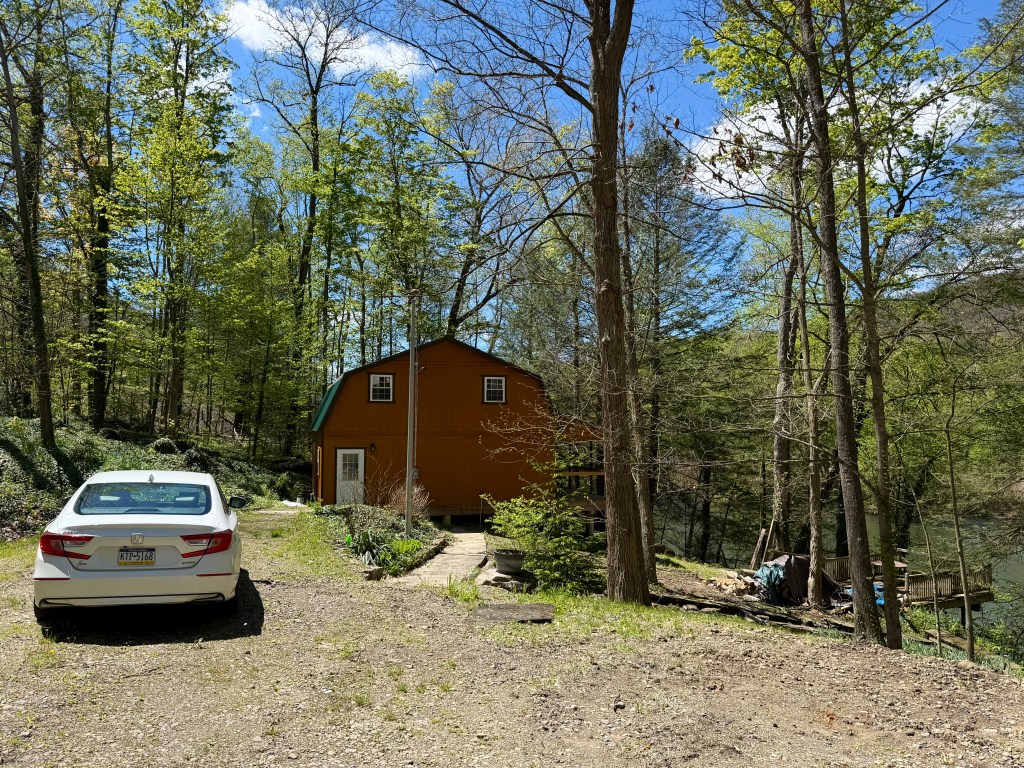
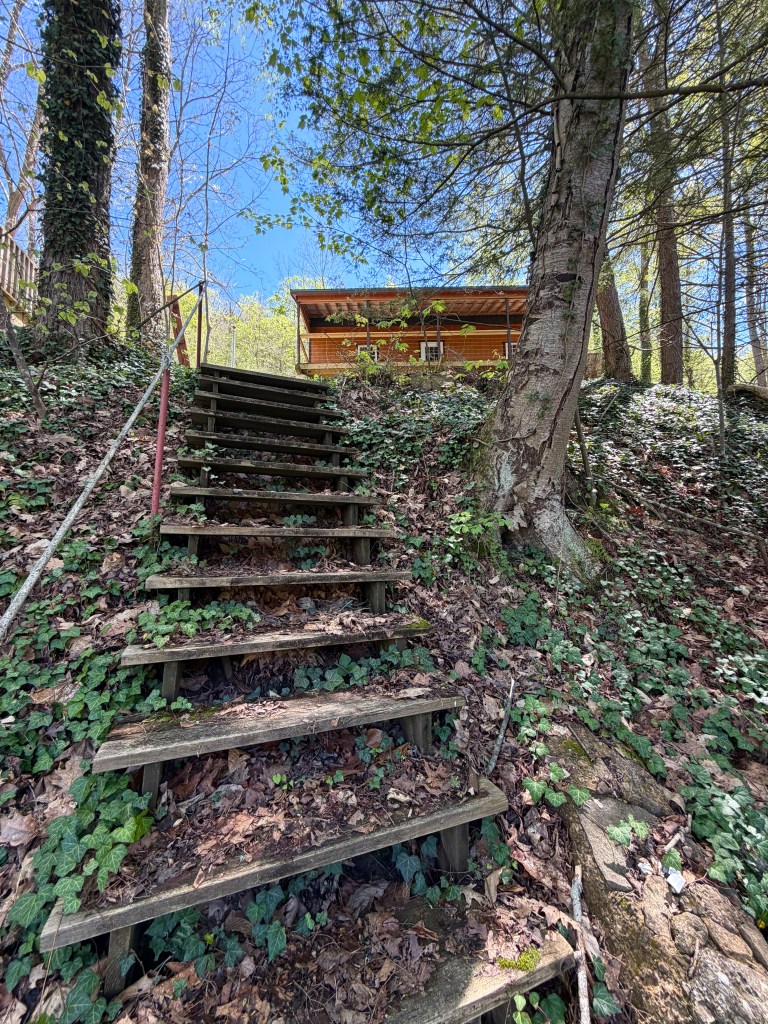
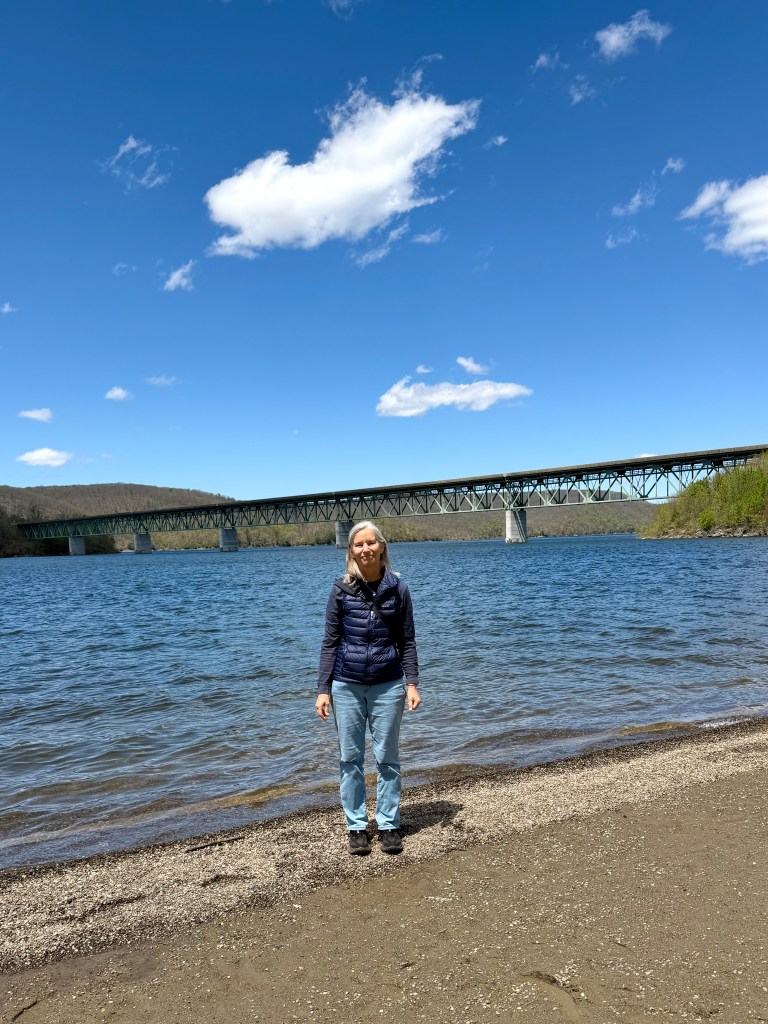
Looking up from the river to the cabin & me at our old picnic spot 🙂


Leave a Reply